Buyer's guide - choosing aluminium windows for your home or build
Windows shape the whole feeling of a room. The right windows flood a space with light, frame the view, and cost almost nothing to run. The wrong ones feel chunky, drip with condensation, and cost a small fortune to heat around. This plain-English guide helps you pick aluminium windows that last.
Why aluminium over uPVC?
uPVC windows dominate the UK market because they are cheap and easy to fit. But uPVC frames are thick - a typical uPVC window has 70 mm of frame around every pane. Aluminium is stronger so our frames are thinner. You get about 25 percent more glass for the same opening. More glass means more light and a better view. Aluminium also does not yellow in sunlight, does not warp in heat and does not go brittle in frost. It lasts 25 years plus with zero maintenance.
Part L - the U-value rule
Part L of Building Regulations sets a ceiling on how much heat can pass through your windows. The current minimum is 1.4 W/m²K. Many older windows are 2.8 or worse - which is why they feel cold to the touch in winter. Our aluminium windows come in at 1.2 W/m²K as standard. Upgrade to triple glazing and you drop to 0.8 W/m²K. That is passive-house territory and an instant win on your EPC rating.
Flush or stepped - what is the difference?
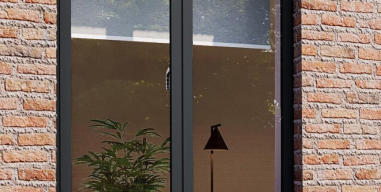
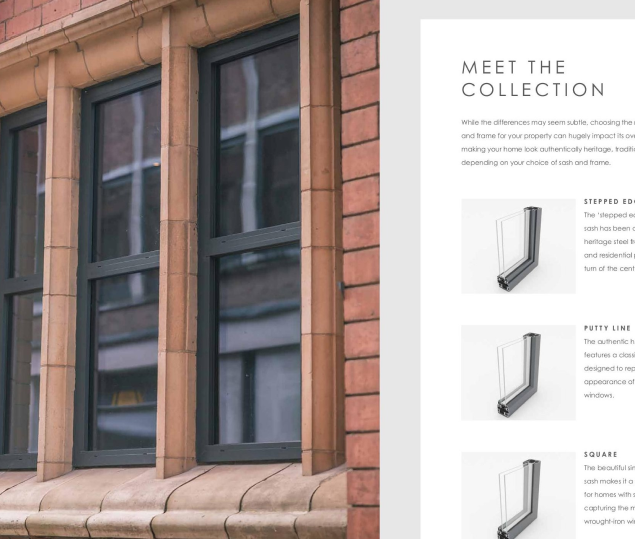
A flush window has the opening sash level with the outer frame. Viewed from outside the window looks like a single flat pane. It is the defining modern aluminium look. A stepped window has the sash sticking out slightly, like the old-fashioned wooden casements. Stepped suits Edwardian and Victorian properties in conservation areas. Flush suits modern new-builds, side returns, and rear extensions. We do both - just ask.
Opening configurations
Top hung opens outwards from a top hinge. It sheds rain, works over kitchen worktops and is fine for escape windows. Side hung opens outwards from a side hinge and gives the widest possible opening - good for fire escape in bedrooms. Tilt and turn is a continental system where the window tilts inwards at the top for trickle ventilation, then turns inwards on a hinge to clean both sides from indoors. French casement has two sashes opening outwards with no central mullion visible when open, for a clean, wide view. Fixed is non-opening and cheap per square metre - great for large picture windows above stair landings.
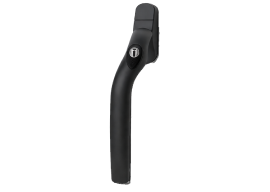
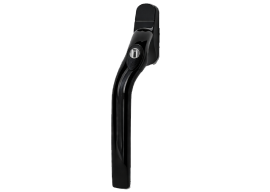
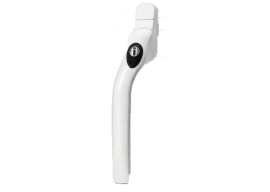
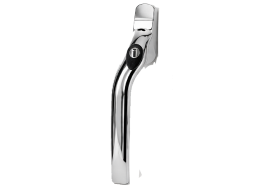
What colour?
Standard is a double-glazed sealed unit with warm-edge spacers. Upgrade options include acoustic laminated glass for noisy roads, solar control glass to reduce summer glare, self-cleaning glass that uses rain to wash away dirt, obscured glass for bathrooms, and triple glazing for passive-class thermal performance.
Security
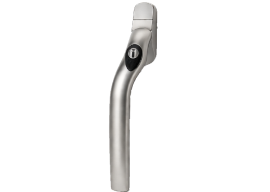
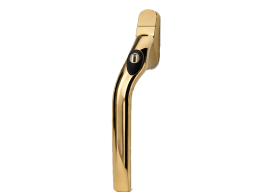
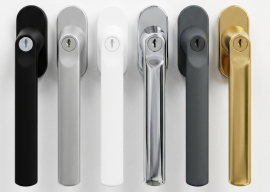
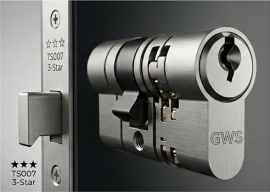
Every window ships with PAS 24 certification - the British anti-break-in standard. You get key-lockable handles, anti-lift rollers, internal glazing beads, and multi-point shoot bolts. Child-safety restrictors come as standard on opening sashes above ground floor.
Lead time and install
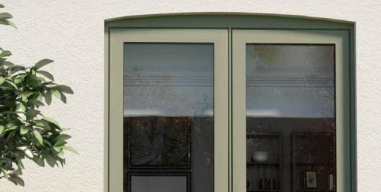
A flush casement heritage window has the opening sash level with the outer frame, just like a period joinery window. It is the purest period look. We offer both stepped and flush heritage casements. Stepped suits strict conservation requirements where the planner wants the old drip-bar profile. Flush suits most other period homes and is slightly cheaper.
Matching doors
A heritage window elevation looks best with a matching heritage entrance door. Our panel door range includes traditional moulded designs with matching astragal-bar top lights and side lights. You can have the entire elevation in one colour and one bar style - the upgrade homeowners love most.
How to quote
Take a photo of each window as it stands today and message us on WhatsApp using the QR code or the green WhatsApp button in the quote form. Tell us how many windows, what bar layout you want, and your favourite colour. We come back with a written quote within 24 hours. If it is a listed property we can often visit and produce the consent-ready drawing pack in the same visit.